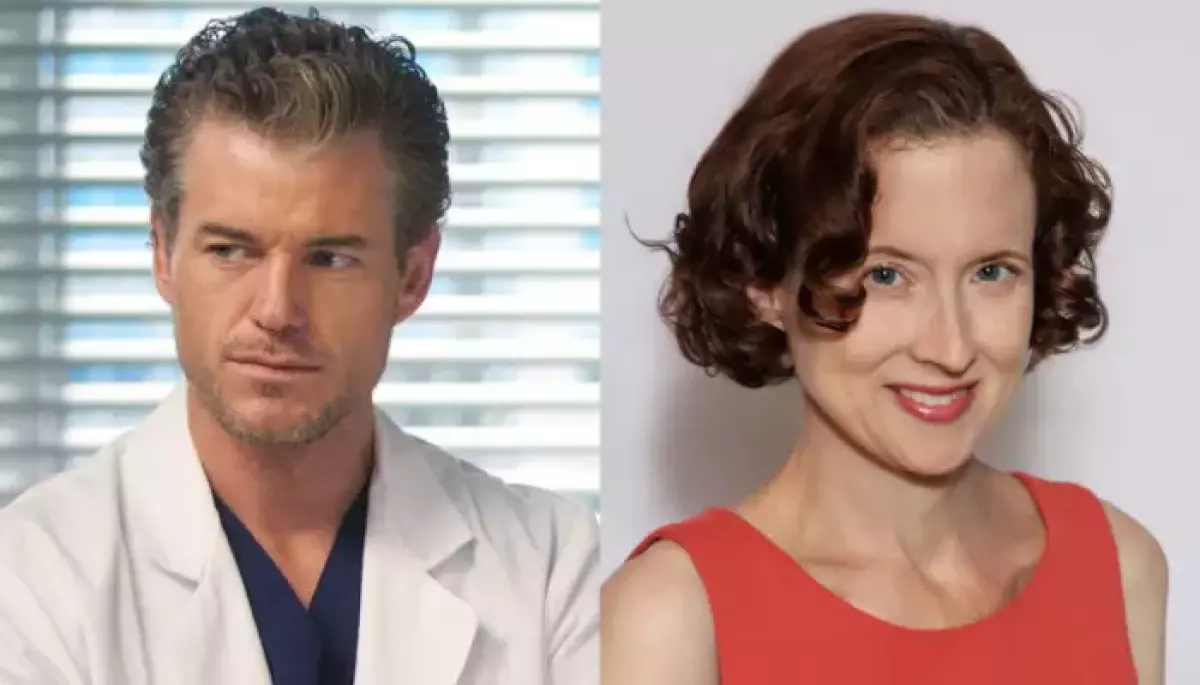
Eric Dane's Posthumous Accusations: The "Pure Evil" Claims That Shocked Hollywood
The recent passing of beloved actor Eric Dane, known for his impactful roles as Dr. Mark Sloan in Grey's Anatomy and Cal Jacobs in Euphoria, sent ripples of grief through the entertainment industry and among his devoted fanbase. Dane, who succumbed to a year-long battle with ALS on February 19, 2026 (ET), left behind a legacy of memorable performances and an outpouring of tributes.
However, the period of mourning was abruptly interrupted by a series of unsettling claims from a former co-star. Laura Ann Tull, a background actress who worked on Grey's Anatomy, took to social media just days after Dane's death to levy shocking accusations, painting a picture of an Eric Dane true evil persona hidden behind the on-screen charm. Her allegations have not only stunned fans but also ignited a complex discussion about posthumous reputation, celebrity legacy, and the ethical dilemmas of accusations against the deceased.
The Shocking Posthumous Accusations
In a series of candid posts on Threads, Laura Ann Tull did not mince words about her experiences with Eric Dane during their time on the set of Grey's Anatomy before his departure in 2012. She explicitly branded him a "bully and a hole," claiming that Dane subjected her to mistreatment and mockery.
Tull's posts elaborated on the severity of the alleged bullying, describing Dane as a "narcissist" who got "into my business" while she was simply trying to pursue her acting career. She shared deeply personal details, revealing that the alleged harassment occurred during a particularly vulnerable period in her life, stating, "He was a coward who abused me. Bullied me. Made fun of me. When I had beaten cancer. When I was getting sick with an autoimmune disease." She further asserted that Dane's comments and actions caused her "long-term professional and personal harm," emphasizing that "His dying doesn’t change [the] destruction he caused me."
The gravity of Tull's claims suggests a profound personal impact, framing her accusations not as a casual grievance, but as a recounting of deep-seated trauma that continued to affect her years later. These raw, unfiltered statements immediately drew significant attention, forcing a re-evaluation of the public perception of the late actor.
Unpacking the "Eric Dane True Evil" Narrative: A Co-Star's Perspective
The use of phrases like "pure evil" and "coward" to describe Eric Dane after his death highlights a challenging aspect of public discourse: how to weigh strong accusations when the subject is no longer able to respond or defend themselves. Laura Ann Tull's narrative aims to expose an alleged Eric Dane true evil side that she believes was concealed from the public.
From Tull's perspective, these claims represent an overdue reckoning, a moment to reclaim her narrative and expose what she views as hypocrisy. She expressed frustration with Hollywood's superficiality, stating, "I was a girl who just wanted to be an actor and be good at it. But I really didn’t care for Beverly Hills or the sham of Hollywood's glam. I wouldn’t make a s*x tape." This suggests a clash of values and a resentment towards what she perceived as exploitative or arrogant behavior within the industry, with Dane as a focal point of her critique.
The allegations raise crucial questions about workplace culture in high-pressure environments like television sets. While the glamour of Hollywood often overshadows the daily realities, incidents of bullying and power imbalances can be pervasive. Tull's claims, if true, underscore the vulnerability of background actors or those in less prominent roles who may feel powerless against the actions of more established stars. It's a stark reminder that behind the scenes, personal interactions can shape careers and well-being in profound ways, leading to lasting scars that even time and death cannot fully heal.
The Controversial "Grey's Anatomy" Firing Claim
Perhaps the most audacious of Laura Ann Tull's claims is her assertion that she was directly responsible for Eric Dane's departure from Grey's Anatomy. She stated emphatically, "I am why he was fired from Grey's. I called Rhimes’ assistant two weeks before they announced his termination. Rhimes I doubt will ever admit that."
This claim introduces an entirely new layer of controversy. While Eric Dane's exit from Grey's Anatomy in 2012 was a significant event for fans, it was widely reported at the time as a mutual decision, with Dane citing a desire to explore new opportunities. Shonda Rhimes, the show's creator and executive producer, expressed regret at his departure but supported his choice. Tull's declaration directly contradicts this established narrative, suggesting a hidden reason for his firing and casting herself as a pivotal figure in that decision.
As of now, there has been no confirmation or comment from ABC, Shondaland, or Eric Dane's representatives regarding these specific allegations, including the claim about his firing. This lack of official response leaves the matter entirely within the realm of unverified personal testimony. Tull's previous public accusations, including an essay on Medium in June 2018 where she mentioned Eric Dane by name in reflections on her time on Grey's Anatomy, indicate that these grievances are not new but have been simmering for years.
The motivation behind such a bold claim could be multifaceted. It might be a desire for validation, an attempt to assert her impact and agency in a situation where she felt powerless, or a deeply held conviction about the justice she believes she brought about. Regardless, it adds a dramatic and unconfirmed twist to the posthumous narrative surrounding Eric Dane.
The Legal and Ethical Complexities of Posthumous Defamation
Laura Ann Tull's allegations against Eric Dane, made days after his death, illuminate a complex area of law and ethics: how to address reputational damage when the subject is no longer alive to defend themselves. For families navigating such a situation, particularly in California, the legal landscape offers limited recourse.
California Law on Defamation of the Deceased: Under California law, a cause of action for defamation (libel or slander) is generally considered personal to the individual. This means that a defamation claim does not typically survive the death of the person allegedly defamed. Consequently, an estate or surviving family members usually cannot sue someone for making disparaging or false statements about the deceased, regardless of how damaging or untrue those statements may be. This legal stance aims to protect free speech, but it leaves deceased individuals, and their legacies, vulnerable to posthumous attacks without direct legal defense.
While the "Right of Publicity" (which allows individuals to control the commercial use of their name, image, and likeness) *does* survive death in California, it primarily applies to commercial exploitation and typically doesn't extend to general statements of opinion or alleged fact, even if negative. Understanding these nuances of defamation of the deceased and estate law is crucial for families facing such challenging circumstances.
Practical Considerations for Families and Estates:
- Limited Legal Recourse: Acknowledge that direct legal action for defamation is often not viable.
- Focus on Legacy Management: The primary strategy shifts from legal defense to proactive legacy management. This includes compiling positive testimonials, engaging in strategic public relations to counter negative narratives, and ensuring a strong, positive digital footprint.
- Digital Asset Management: For high-profile individuals, comprehensive estate planning should include strategies for managing digital assets, social media accounts, and online reputation even after death.
- Ethical Dilemmas: The situation presents significant ethical challenges. While individuals have a right to share their experiences, the timing and context of posthumous accusations raise questions about fairness, accountability, and the ability of the deceased to have their side heard.
The absence of official comment from ABC, Shondaland, or Eric Dane's representatives underscores the sensitive and legally ambiguous nature of these posthumous claims. Without the ability for the accused to offer a counter-narrative, the public is left to grapple with conflicting portrayals and unverified allegations.
Conclusion
The claims made by Laura Ann Tull against Eric Dane days after his passing have undeniably cast a shadow over the grieving period for many of his fans and colleagues. Her vivid accusations of bullying, narcissism, and even her direct role in his Grey's Anatomy firing paint a stark contrast to the public persona of the actor, suggesting an Eric Dane true evil lurking beneath the surface.
While these allegations remain unverified by official sources, they open up critical discussions about workplace conduct, the long-lasting impact of personal grievances, and the complex ethical and legal landscape of posthumous reputation. As the entertainment industry and wider public reflect on Eric Dane's life and career, Tull's claims serve as a poignant reminder that public figures, like all individuals, are multi-faceted, and their stories can be perceived and remembered in vastly different ways, particularly when recounted from the perspectives of those who felt harmed.
Ultimately, the saga of Eric Dane's death and Laura Ann Tull's subsequent claims highlights the enduring power of personal testimony and the profound challenges in navigating truth and legacy in the public eye, especially when one party is no longer present to offer their side of the story.